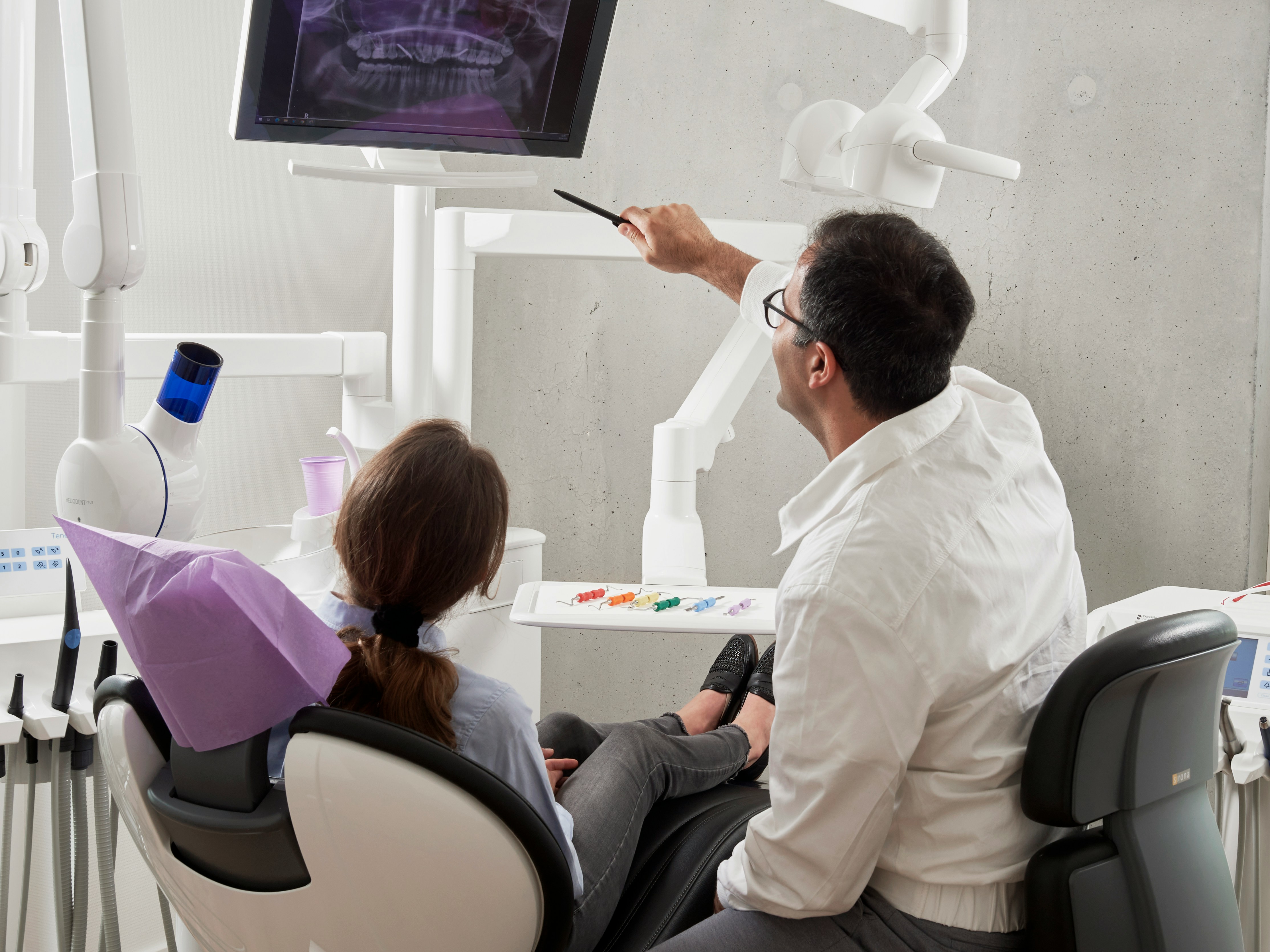
What to Expect After Getting Braces
What to Expect After Getting Braces
Braces are one of the most effective orthodontic treatments for correcting crowded, misaligned, or spaced teeth. They gradually guide teeth into the right position, improving bite alignment and enhancing the overall smile. However, many patients, especially first-timers, are unsure about what happens after braces are placed. Understanding the changes, sensations, and responsibilities during the treatment period makes the journey smoother and less overwhelming.
If you’re planning to get braces or recently got them fitted, this guide will walk you through everything you can expect post-placement, from initial discomfort to adjustment visits and daily care routines.
The First Few Hours After Getting Braces
Once your orthodontist fits the braces, you may feel a slight tightness or strange sensation because your mouth is adjusting to new hardware. This is completely normal. Your cheek and tongue may also take time to adapt, especially if metal brackets and wires are used. You can expect mild soreness or pressure as the teeth begin moving.
Soft foods like soups, mashed potatoes, yogurt, and khichdi are recommended during the first day. Avoid biting into hard or chewy foods to prevent discomfort.
The First Week: Mild Pain and Getting Used to Braces
For most people, discomfort is highest within the first week. Your teeth are experiencing active pressure, which may cause tenderness while chewing. Orthodontic wax can help if brackets cause irritation by rubbing against the inside of your cheeks.
Common experiences include:
- Soreness while chewing
- Slight speech difficulty initially
- Lips feeling bulky around brackets
- Minor gum sensitivity
- Increased saliva production
These symptoms usually settle down within a few days as your mouth adapts.
Monthly Adjustment Appointments
Braces work gradually. To continue tooth movement, your orthodontist will tighten or adjust the wires during scheduled visits, usually every 4 to 6 weeks. After each adjustment, it’s normal to feel pressure or soreness for a couple of days. Soft food, warm water rinses, and over-the-counter pain relievers (only if advised by your dentist) can help provide relief.
Consistency is key—missing adjustment appointments may delay progress and increase treatment duration.
Eating and Diet Changes
Braces require diet awareness to avoid breakage or discomfort. Hard, sticky, and chewy foods can damage braces, bend wires, or loosen brackets.
Foods to avoid:
- Hard nuts, popcorn, ice cubes
- Chewing gum and sticky toffees
- Hard crust breads, corn on the cob without cutting
Foods that are safe and recommended:
- Soft fruits like bananas and melons
- Cooked vegetables and dal rice
- Smoothies, curd, paneer
- Soft rotis cut into small pieces
Cutting food into smaller pieces and chewing slowly helps prevent bracket damage.
Oral Hygiene Responsibilities
Good oral care becomes even more important with braces because brackets can trap food and plaque.
Tips for maintaining hygiene:
- Brush after every meal or at least twice daily
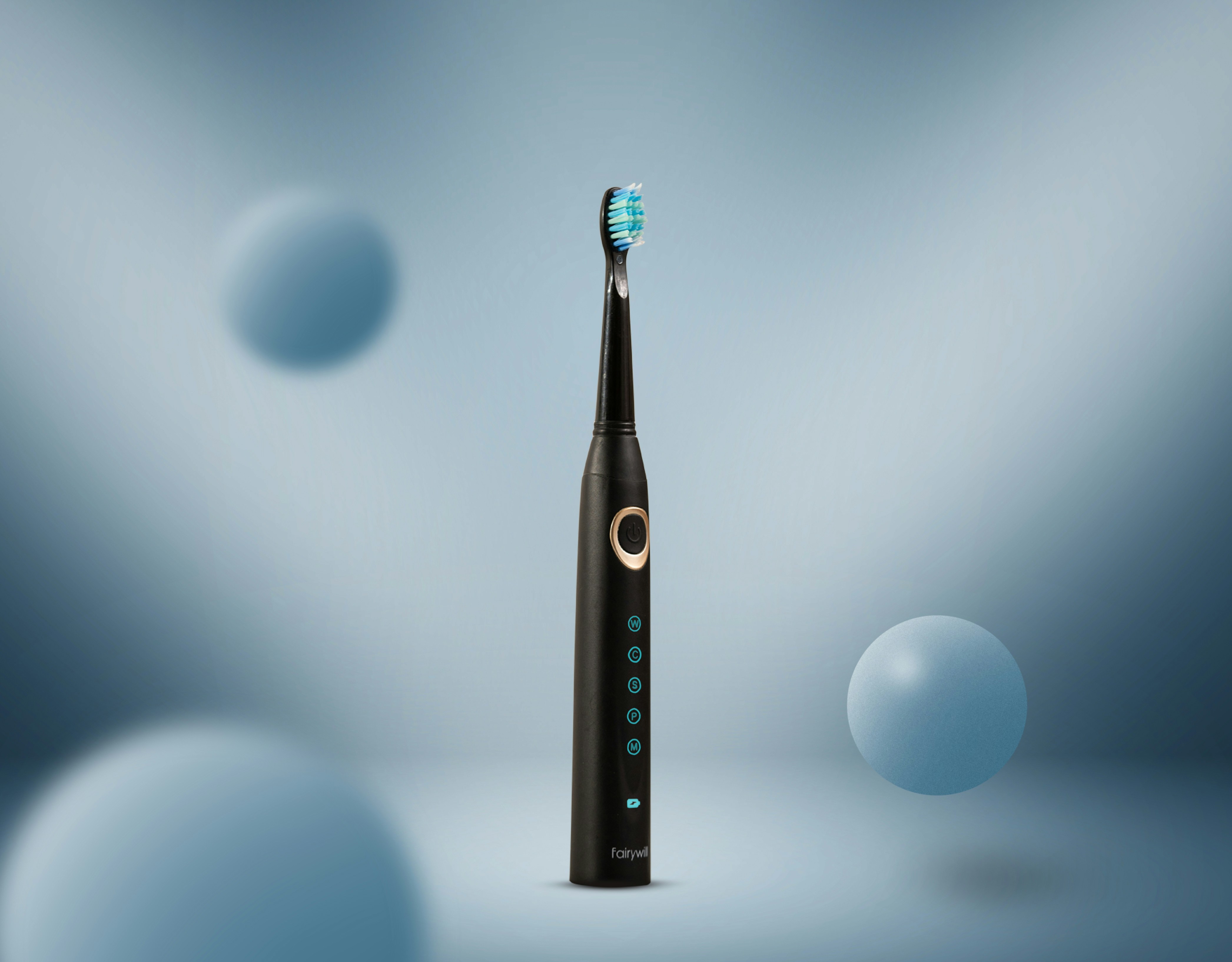
- Use an orthodontic brush or interdental brush
- Floss using floss threaders or water flossers
- Rinse with an antibacterial mouthwash daily
Skipping hygiene can lead to staining, tooth decay, or gum issues during treatment.
Speech and Appearance
Most patients adjust to speaking with braces within a few days. Speech may sound different initially, especially with lingual braces placed behind teeth. With regular speaking practice, the tongue adapts naturally.
In terms of appearance, braces may feel noticeable at first, but over time they blend into routine. Many patients even feel more confident knowing they are working toward a better smile.
Treatment Duration
Braces treatment duration varies depending on misalignment severity, patient age, and cooperation with care instructions. On average, braces may be worn for 12 to 24 months, though some cases require less or more time.
Following your dentist’s guidance, maintaining hygiene, and avoiding damaging foods can help achieve faster results.
Life with Braces: Normal and Manageable
Braces may feel unfamiliar in the beginning, but most patients adapt comfortably within a few weeks. With time, the tightening, dietary restrictions, and cleaning routine become part of the daily schedule. The biggest reward is seeing visible improvements — teeth becoming straighter, gaps closing, and smiles transforming.
When to Call Your Dentist
You should contact your orthodontist if you notice:
- Broken brackets or wires poking the cheeks
- Severe pain not relieved by medication
- Sores that worsen instead of healing
- Food constantly getting stuck even after cleaning
Timely attention prevents complications and keeps progress smooth.
Orthodontic Care at Gargi’s Dental Care
At Gargi’s Dental Care in Kolkata, orthodontic procedures are carried out with precision, patient comfort, and personalised planning. Whether you need metal braces, ceramic braces, or aligners, our team ensures guidance at every stage to make the journey comfortable and rewarding.
Book an appointment with Gargi’s Dental Care to begin your smile transformation with expert orthodontic care and regular support throughout your braces journey.