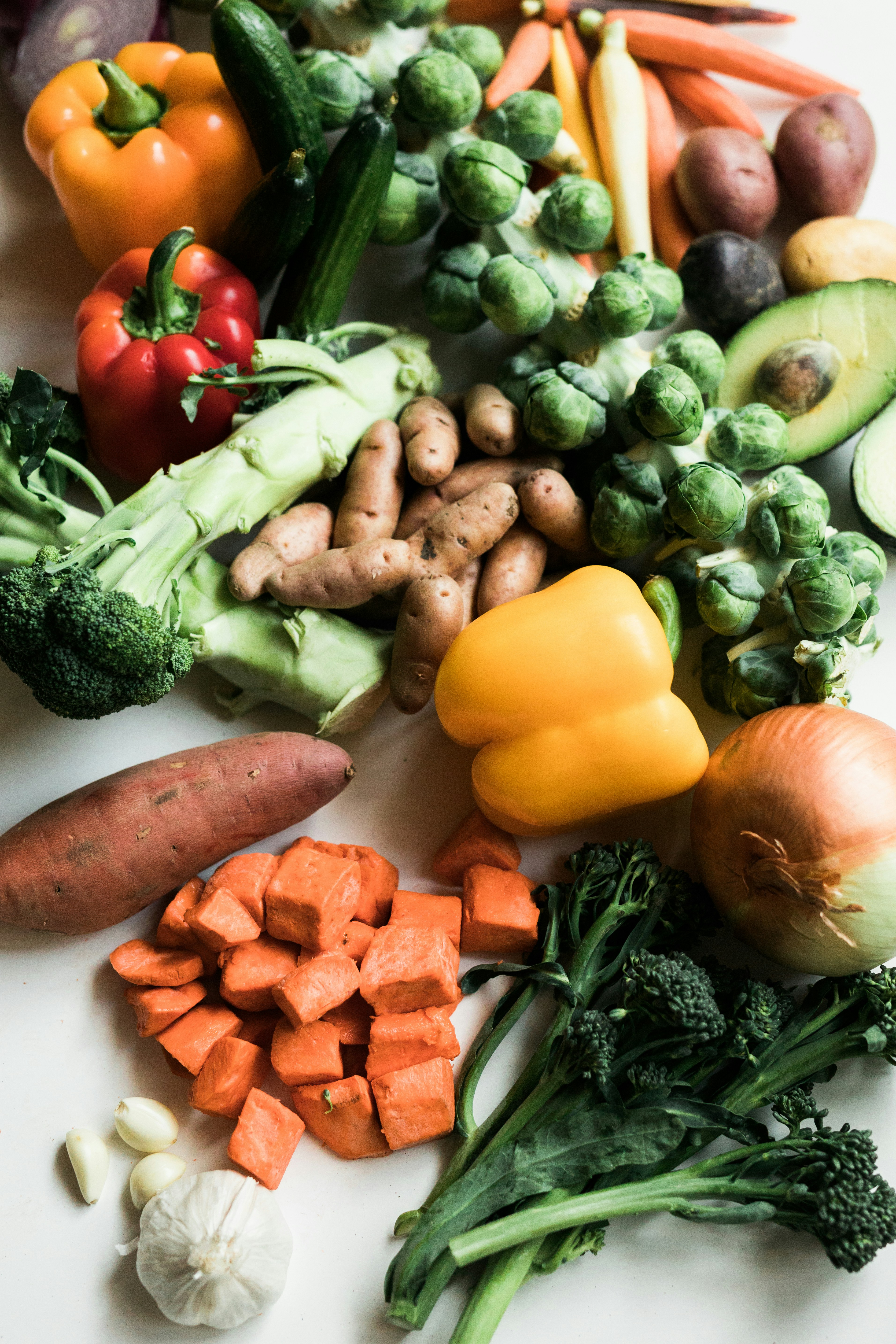
Oral Health Challenges for Vegetarians and Vegans
Oral Health Challenges for Vegetarians and Vegans
Vegetarian and vegan diets are widely recognised for their health, ethical, and environmental benefits. However, like any dietary pattern, they come with certain nutritional considerations that can directly affect oral health. Teeth, gums, and jawbones rely on specific nutrients to stay strong, infection-resistant, and healthy. When some of these nutrients are lacking or poorly absorbed, oral health challenges can quietly develop.
Understanding these potential risks helps vegetarians and vegans protect their smiles while continuing to follow their chosen lifestyle confidently.
How Diet Impacts Oral Health
Your mouth is often the first place where nutritional deficiencies show up. Vitamins and minerals play a vital role in enamel strength, gum integrity, saliva production, and healing.
Plant-based diets can be very nutritious, but if not well planned, they may fall short in certain nutrients that are essential for oral health.
Common Oral Health Challenges for Vegetarians and Vegans
Vegetarians and vegans may experience specific dental concerns related to diet composition, nutrient availability, and eating habits.
These challenges are not inevitable, but they are more likely if nutritional balance is overlooked.
Vitamin B12 Deficiency and Oral Symptoms
Vitamin B12 is one of the most common deficiencies in vegans and some vegetarians, as it is primarily found in animal products.
Low B12 levels can lead to:
- mouth ulcers
- burning or sore tongue
- gum inflammation
- delayed healing of oral tissues
Persistent ulcers or tongue discomfort should never be ignored, as they may signal an underlying deficiency.
Calcium and Vitamin D Concerns
Calcium and vitamin D work together to maintain strong teeth and jawbones. While calcium can be obtained from plant sources, absorption may be lower compared to dairy-based sources.
Insufficient intake may result in:
- weakened enamel
- increased cavity risk
- jawbone density loss
- higher risk of tooth mobility over time
Vitamin D deficiency, which is common even in non-vegetarians, further reduces calcium absorption and can worsen these issues.
Iron Deficiency and Gum Health
Plant-based iron, known as non-heme iron, is not absorbed as efficiently as iron from animal sources.
Iron deficiency may contribute to:
- pale or inflamed gums
- mouth sores
- increased susceptibility to infections
- delayed wound healing
Gum health depends heavily on adequate oxygen supply and immune response, both of which are affected by iron levels.
Increased Acid Exposure and Enamel Erosion
Vegetarian and vegan diets are often rich in fruits, citrus foods, tomatoes, and fermented products. While healthy, frequent exposure to acidic foods can erode enamel over time.
Enamel erosion may cause:
- tooth sensitivity
- increased risk of cavities
- dull or translucent tooth edges
Frequent snacking on acidic foods without proper oral care increases this risk.
Lower Saliva Protection in Some Diets
Saliva plays a key role in neutralising acids and protecting teeth. Diets very high in raw or fibrous foods but low in healthy fats may sometimes affect saliva consistency and flow.
Dry mouth increases the risk of:
- tooth decay
- gum disease
- bad breath
Hydration and balanced nutrition are essential to maintain saliva function.
Protein Intake and Oral Tissue Repair
Proteins are crucial for tissue repair, immune defence, and healing after dental treatments.
Inadequate protein intake may result in:
- slow healing after extractions or surgeries
- increased gum inflammation
- reduced resistance to oral infections
Plant-based proteins must be consumed in sufficient variety and quantity to meet daily needs.
How Vegetarians and Vegans Can Protect Their Oral Health
With proper planning, plant-based diets can fully support dental health.
Helpful steps include:
- ensuring adequate intake of vitamin B12 through fortified foods or supplements
- including calcium-rich plant foods and vitamin D sources
- pairing iron-rich foods with vitamin C to improve absorption
- rinsing with water after acidic foods
- waiting at least 30 minutes before brushing after acidic meals
- maintaining regular dental check-ups
A dentist can help identify early signs of deficiency-related oral problems.
The Importance of Regular Dental Check-Ups
Dental examinations often reveal nutritional issues before other symptoms appear. Bleeding gums, enamel changes, and recurrent ulcers can signal dietary gaps.
Routine visits help:
- detect early gum disease
- monitor enamel health
- prevent long-term complications
- receive personalised dietary and oral care advice
Personalised Care at Gargi’s Dental Care
At Gargi’s Dental Care in Kolkata, we understand that every patient’s lifestyle and diet are unique. Our approach goes beyond routine treatment to identify factors such as nutrition and habits that may be affecting oral health. Whether you follow a vegetarian or vegan diet, we provide personalised guidance to help you maintain strong teeth and healthy gums without compromising your values.
If you’re experiencing frequent mouth ulcers, bleeding gums, sensitivity, or slow healing, your diet may be playing a role. Early evaluation and expert care can prevent long-term dental issues.
Book a consultation at Gargi’s Dental Care today and take a proactive step toward balanced nutrition and lasting oral health.